
For a long time, code in Vanilla was simply set in a monospace font, and we saw an opportunity to improve the way we deliver code examples to users. A key goal is code clarity – code is not particularly resistant to errors: a missing character (or in some languages, a space or tab) can

The Ubuntu in the wild blog post ropes in the latest highlights about Ubuntu and Canonical around the world on a bi-weekly basis. It is a summary of all the things that made us feel proud to be part of this journey. What do you think of it? Expanding ML capabilities TechRepublic published a quick

The web team at Canonical run two-week iterations building and maintaining all of Canonical websites and product web interfaces. Here are some of the highlights of our completed work from this iteration. Web squad The Web Squad develops and maintains most of Canonical’s sites like ubuntu.com, canonical.com and more. Ubuntu Core 20 releas

Canonical is proud to announce the availability of OpenStack Charms 21.01. This new release includes: a tech-preview version of OpenStack Ironic operators (charms), Cinder volume replication and Glance multi-store support for Charmed OpenStack. OpenStack Ironic The latest version of OpenStack Charms brings initial support for the OpenStac
The last few years has been a time of major disruption in the Finserv sector. Artificial Intelligence (AI) technology has emerged as an important tool for providers of financial products and services to deliver more personalised and more sophisticated services to customers faster. The financial services sector is at the beginning of an ex

In June 2020, AWS introduced SageMaker components for Kubeflow. 6 months later, Antje Barth, Sr. developer advocate @AWS, presents how to build end-to-end ML workflows with Kubeflow Pipelines and how to leverage the benefits of Kubeflow Pipelines and SageMaker altogether. AWS re:invents end-to-end ML workflows Watch the video below: If yo

Everyone loves a clean, tidy home (hopefully). This also includes your other home – slash home, the Linux home directory. Disk cleanup and management utilities are extremely popular in Windows, but not so much in Linux. This means that users who want to do a bit of housekeeping in their distro may not necessarily have

Within just five years, Kubernetes and containers have redefined how software is deployed. Researchers expect the container market to grow by 30% year over year to become a 5 billion industry by 2022. But what is the reason behind this mass adoption of container technology in the enterprise? Get the full picture with our CTO’s

Newsletter signup
The web team at Canonical run two-week iterations building and maintaining all of Canonical websites and product web interfaces. Here are some of the highlights of our completed work from this iteration. Web squad The Web Squad develops and maintains most of Canonical’s sites like ubuntu.com, canonical.com and more. CVE table updates We

The Ubuntu in the wild blog post ropes in the latest highlights about Ubuntu and Canonical around the world on a bi-weekly basis. It is a summary of all the things that made us feel proud to be part of this journey. What do you think of it? Ubuntu Core 20 release is here This

For the past 4 years I have participated in FOSDEM, a conference about free and open source software for developers. I love this event. It’s a welcome opportunity to see friends, watch great talks and drink excellent Belgium beer. Unfortunately, this year it was a remote event. The event was managed via matrix, a decentralized
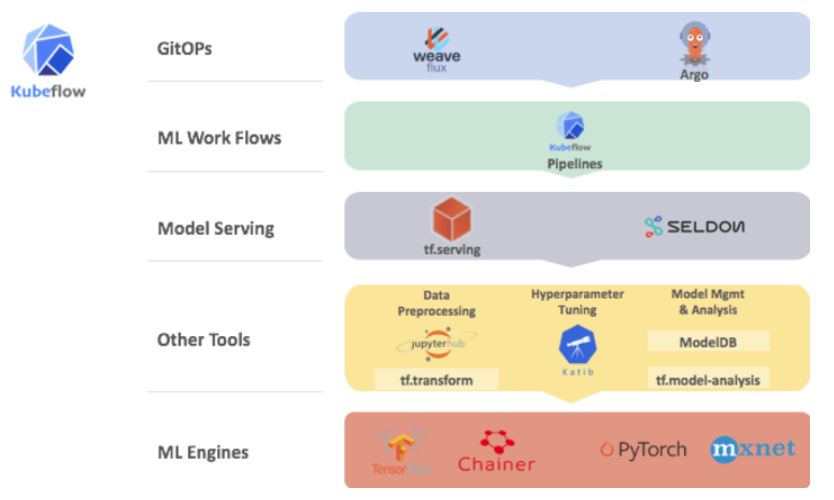
From Gitlab to Kubeflow in Healthcare ML Lifen, the french platform for healthcare products, recently switched from Gitlab’s jobs to Kubeflow Pipelines for continuous learning capabilities and showcases the transition and its benefits. Check out the blog post Kubeflow for AI in the Telco industry Maciej Mazur, Product Manager @Canonical f
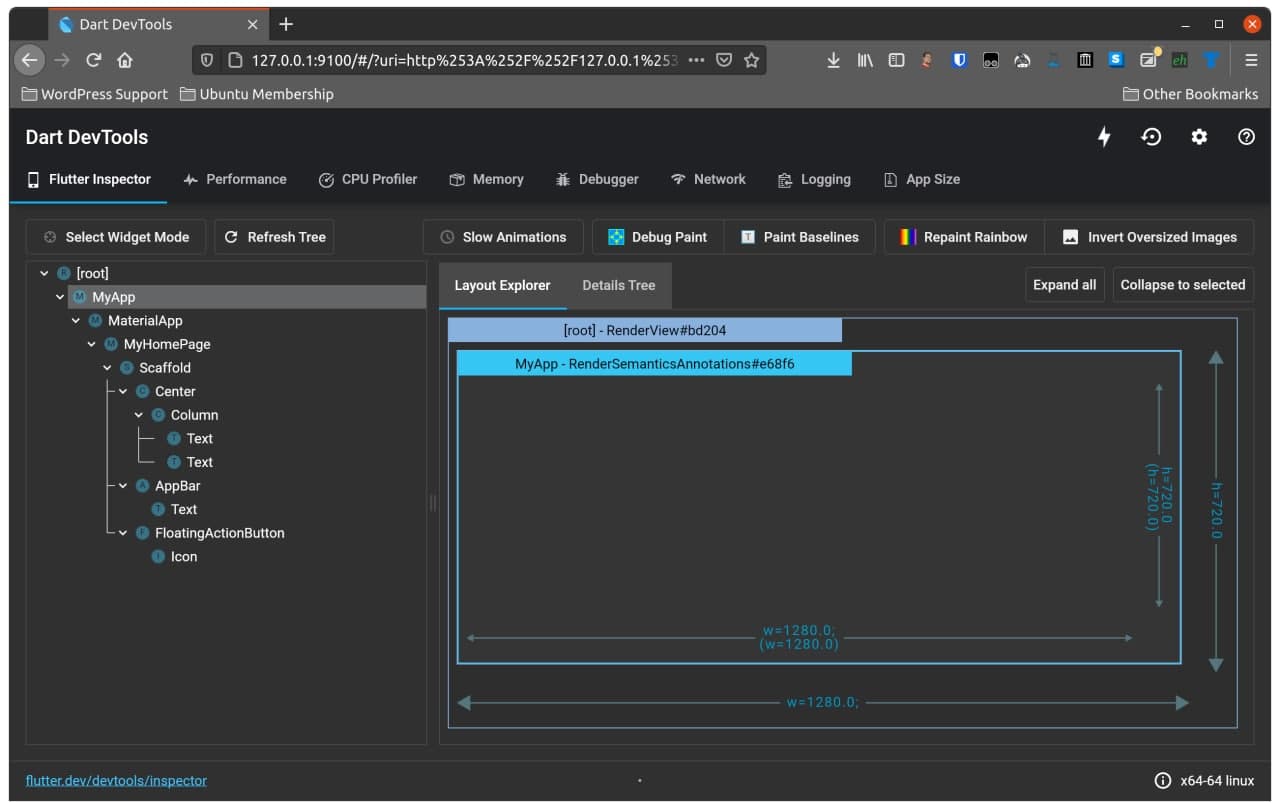
This is a guest post authored by Dani Llewellyn. It was originally featured on her blog, we’re reproducing it here with Dani’s permission. Dani is an active member of the WordPress, WSL, Ubuntu and Snapcraft communities. Thanks Dani! Recently there was an announcement from Ubuntu that the desktop team are working on a replacement for

Hybrid cloud allows businesses to optimise their costs associated with cloud infrastructure maintenance. It also brings many other benefits, such as business continuity, compliance, better scalability and improved agility. According to the Forrester Wave: Hybrid Cloud Management, Q4 2020, hybrid cloud is an essential technology that every

AI in telecom is more complicated due to regulatory and security requirements. With containers setting up an environment for data scientists is much easier.
Learn how MicroK8s enables for the fastest and easiest deployment of container management tool Portainer.
Ubuntu tech blog
Deep dives for developers
Visit the Ubuntu Tech Blog for deep dives into product features, step-by-step tutorials, and the latest updates from Canonical's engineering teams.