

Two industry trends point to a gap in DevOps tooling chosen by many. Operations teams need more than an Infrastructure-as-Code approach, but a complete model-driven operations mentality. Learn how Canonical has addressed these concerns to create multiple world-leading products.

Enhanced MAAS Network Testing and Link Checking With the upcoming release of MAAS 2.7, Metal-as-a-Service has gained new network testing and link-checking features. These features identify broken and slow network links when you try to commission machines, notifying you when there are discrepancies. In this release, we also offer the ca

Should you deploy Apache Spark to Kubernetes? Learn how model-driven operations have enabled one data engineering team to evaluate several options and come to an ideal solution.

When a robot is not up-to-date, it becomes about as useful as an expensive paperweight, or companies have to burn money to get them back online. Yet when mobile apps need updating, it only takes a few clicks and a minute or two before it’s back up and running. This blog discusses how ROS robots

Software discovery and installation broadly comes in two flavors – via graphical user interface or on the command line. If you’re using a Linux distribution with a friendly software frontend offering integrated snap support, e.g. KDE Discover or GNOME Software, you can enjoy the experience without having to resort to using a terminal wind
Moving to OpenStack from VMware can significantly reduce the TCO associated with an initial roll-out and ongoing maintenance of your cloud infrastructure. OpenStack vs VMware economic analysis shows that under certain circumstances, it is possible to bring the costs down by an entire order of magnitude. This requires choosing an OpenStack

First impressions count, and making sure your users can see and interact with your product in a seamless way, means selecting the right smart display technology. Read on to find out what hardware features are needed to make a reliable smart display, and why smart displays run Ubuntu Core. Medical imaging to smart displays: There’s
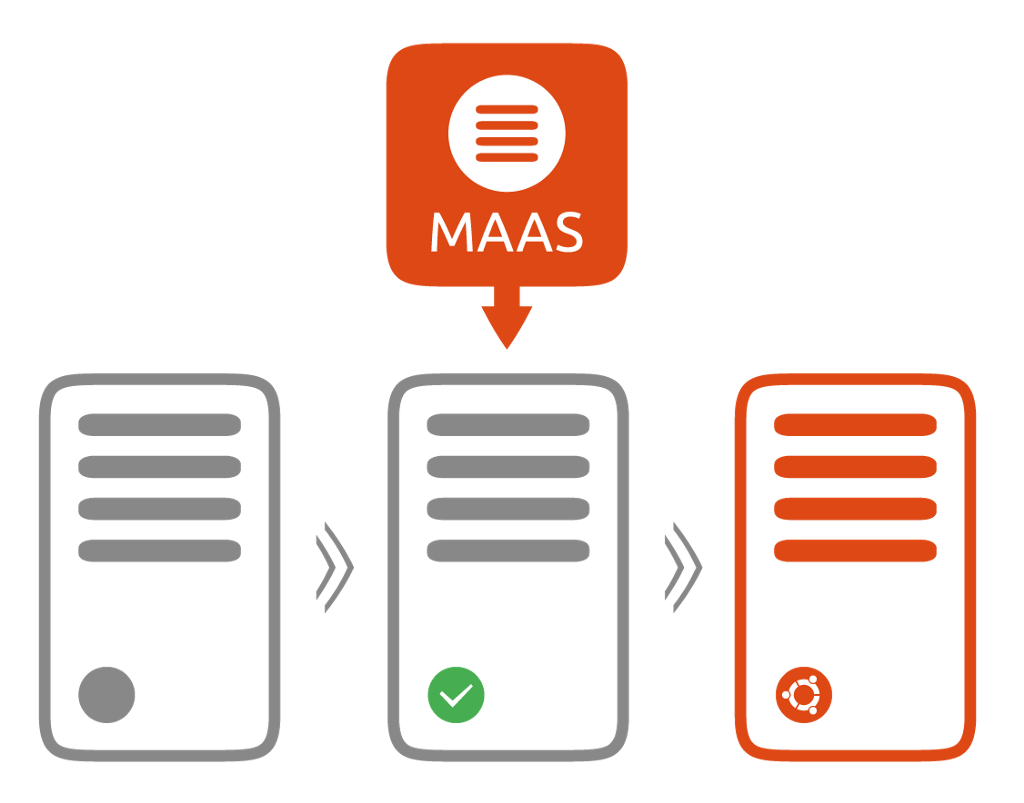
Our MAAS team has been hard at work, making life even better for those of you who provision and manage servers and data centres. This hard work has produced a new release, MAAS 2.7! This blog describes how MAAS 2.7 can detect network faults before users run into them, and test network configurations before you

Newsletter signup
AI to Identify Unknown Civil War Soldiers – An interesting piece by Time on the use of Artificial Intelligence for facial recognition; the software calculates the difference between proportions of the face and facial portraits like the eyes to match an uploaded picture with picture available on the web. This allows matching of discoloured
This is the final iteration of the year. The team has worked exceptionally hard to produce a number of new projects and initiatives. Here is a shortlist of highlights from the team in 2019: JAAS dashboard, proof of concept – a new view of Juju for people that have a lot of Juju to list

ROS-Industrial was way better than I expected it to be. As a first time ROS-Industrial attendee and only a second-time ROS-anything. I’m not sure what my expectations were. But it was really good. A great event, some great speakers, new friends and cool robots. What more could you want? This blog will not cover every

Canonical and Dell EMC have announced the release of a new OpenStack reference architecture – providing customers with a tested, certified framework for deploying Canonical’s Charmed OpenStack solution on top of Dell EMC’s best-of-breed PowerEdge servers. This follows the availability of a Kubernetes reference architecture solution made a

Quite often, getting started with new technologies is a chicken and an egg problem. You want to fall back and rely upon work done by others, so you can learn from it, and yet, as a technological pioneer, you will be facing first-of-kind issues that won’t have readily available answers. We are fully aware of

AI Competing with Wall Street – Artificial Intelligence is replacing traders on Wall Street; what used to be a busy bustling market with chatter and cold calls are now the slight hums of machines running algorithms and executing trades. The demand for people with coding skills who can train models for intelligent trading and fight

The end of 2019 brings about the latest ROS 2 release – Eloquent Elusor. Despite an ever growing set of features and some changes throughout the ecosystem, packaging with snaps is as easy as always. Let’s go through a quick example! Prerequisites You’ll need two tools: “snapcraft,” the program that builds snaps, and “multipass,” the

There’s plenty of official documentation which details how to create snaps. We live in the copy/paste generation though. So lets walk through a real-world example you can use as a template, or selectively yoink sections from. This is the first in a series of posts which break down how to build snaps based on published
Ubuntu tech blog
Deep dives for developers
Visit the Ubuntu Tech Blog for deep dives into product features, step-by-step tutorials, and the latest updates from Canonical's engineering teams.